Online Education and Adult Learning
Featured Snippet: Online education and adult learning focus on flexible, self-directed methodologies tailored for experienced individuals. By leveraging modern digital platforms, adult e-learning provides accessible pathways for professional development, skill acquisition, and continuous lifelong education without the constraints of traditional classrooms. This paradigm shift requires innovative teaching practices that respect the autonomy and vast prior experiences of the adult learner.
New Frontiers for Teaching Practices
Online Education and Adult Learning: New Frontiers for Teaching Practices disseminates current issues and trends emerging in the field of adult e-learning and online instruction. As technology continues to evolve at a breakneck pace, the strategies educators use to engage adult learners must also adapt. This comprehensive overview dives into the most critical advancements in instructional design, pedagogical theories, and digital tools that are reshaping the educational landscape.
Adult learners bring unique experiences, expectations, and challenges to the virtual classroom. Unlike traditional students, they often balance education with full-time careers, family responsibilities, and other commitments. Therefore, e-learning environments must be built with flexibility, accessibility, and practical application in mind. Understanding these dynamic requirements is absolutely essential for creating effective teaching methodologies that resonate with this demographic and encourage long-term retention.
The Evolution of Adult E-Learning Platforms
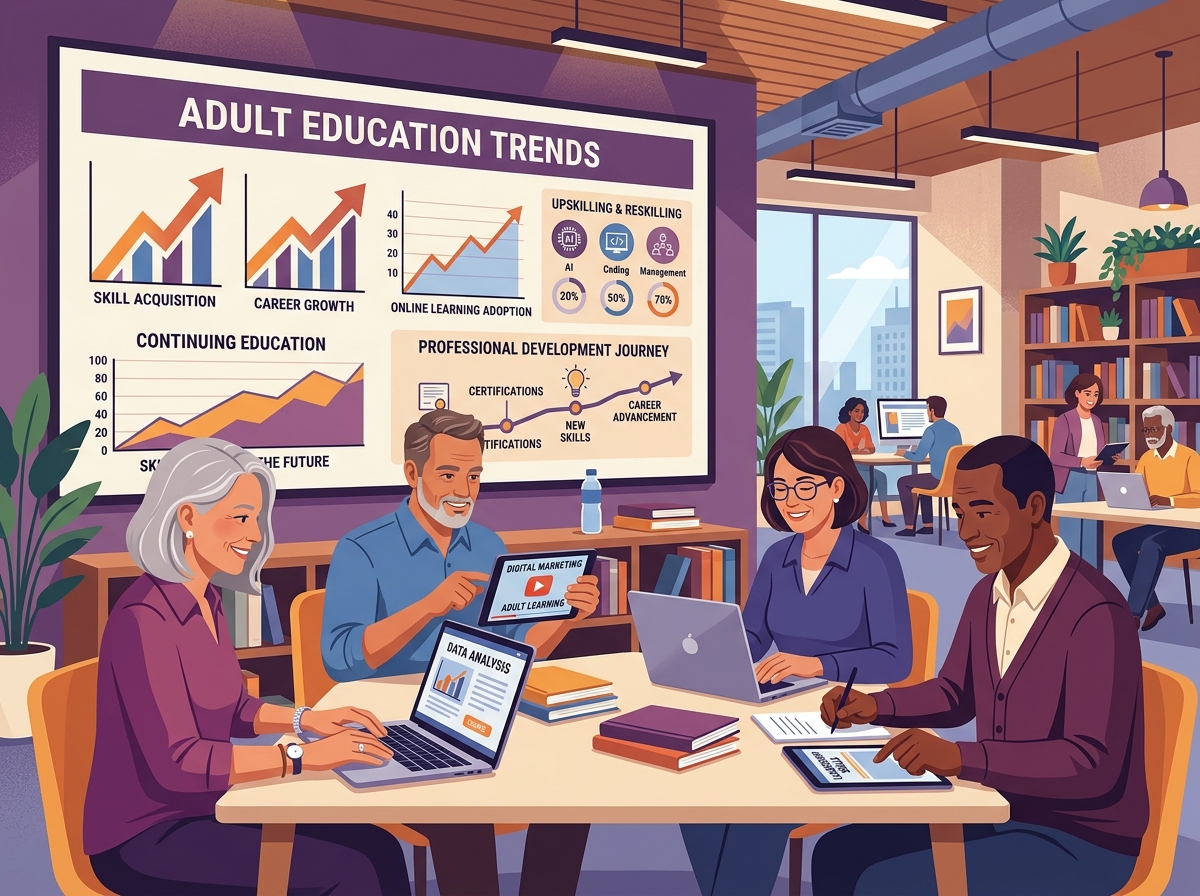
In recent years, the shift towards digital education has accelerated exponentially, leading to a massive proliferation of specialized e-learning platforms. These modern systems go well beyond simple video hosting, offering interactive simulations, real-time collaboration tools, and highly personalized learning pathways powered by artificial intelligence. Such innovations ensure that the educational content is not only easily accessible but also deeply engaging, tailoring the learning experience to the unique pace and style of each individual student.
One of the key trends in adult education is the widespread integration of microlearning—the practice of delivering content in small, highly focused segments that can be consumed on the go. This approach aligns perfectly with the busy schedules of adult professionals who may only have short windows of time to dedicate to their studies. Additionally, gamification and interactive assessments have proven to significantly boost retention rates, making the learning experience both enjoyable and highly effective.
Enhancing Engagement Through Interactive Methodologies
To truly captivate the adult audience, educators are increasingly utilizing problem-based learning and case studies that directly mirror real-world scenarios. By encouraging learners to apply theoretical knowledge to practical, recognizable problems, instructors foster a much deeper understanding of the subject matter. Peer-to-peer learning and active discussion forums also play a crucial role in this ecosystem, allowing students to network, share valuable insights, and learn extensively from each other's diverse professional backgrounds and life experiences.
Addressing Challenges in Online Instruction
Despite the numerous advantages and the flexibility it offers, online instruction for adults is certainly not without its challenges. Issues such as varying levels of digital literacy, fluctuations in self-motivation, and technological barriers can occasionally hinder a student's progress. Educators must proactively address these obstacles by providing robust technical support, maintaining clear and open communication channels, and designing structured course layouts that carefully guide the learner step-by-step through the curriculum without overwhelming them.
Moreover, creating a genuine sense of community within an online course is vital for maintaining student motivation and engagement. Regular constructive feedback, easily accessible virtual office hours, and collaborative group projects help bridge the gap between the isolation often associated with remote learning and the supportive, interactive environment of a traditional physical classroom. When students feel genuinely connected to their instructors and their peers, their overall success rates and satisfaction improve dramatically.
Frequently Asked Questions
What are the new frontiers in online education?
The new frontiers include adaptive learning systems, artificial intelligence in grading, micro-credentials, and immersive virtual reality environments designed to enhance adult e-learning.
How does adult learning differ from traditional education?
Adult learners often bring more practical experience and require self-directed, flexible learning schedules. They benefit most from problem-solving and immediate application of knowledge rather than rote memorization.
What are effective teaching practices for adult e-learning?
Effective practices involve interactive discussions, peer-to-peer learning, asynchronous video modules, and clear, structured pathways that respect the learner's time and professional background.