Online Education Using Learning Objects Guide
Featured Summary: Online education using learning objects involves deploying modular, reusable digital resources to build highly structured and engaging learning experiences. This methodology, pioneered by experts like Rory McGreal, transforms traditional curriculum design into an adaptable, scalable digital framework that serves modern instructional design needs comprehensively.
Introduction to Learning Objects
In the ever-evolving landscape of digital academies, the fundamental concept of learning objects has rapidly emerged as a critical cornerstone of modern educational technology. As comprehensively outlined by industry pioneer Rory McGreal (ISBN: 9780415416603), learning objects provide an indispensable, interoperable standard that allows forward-thinking educators to construct highly scalable, dynamic curricula tailored to a multitude of distinct learning styles.
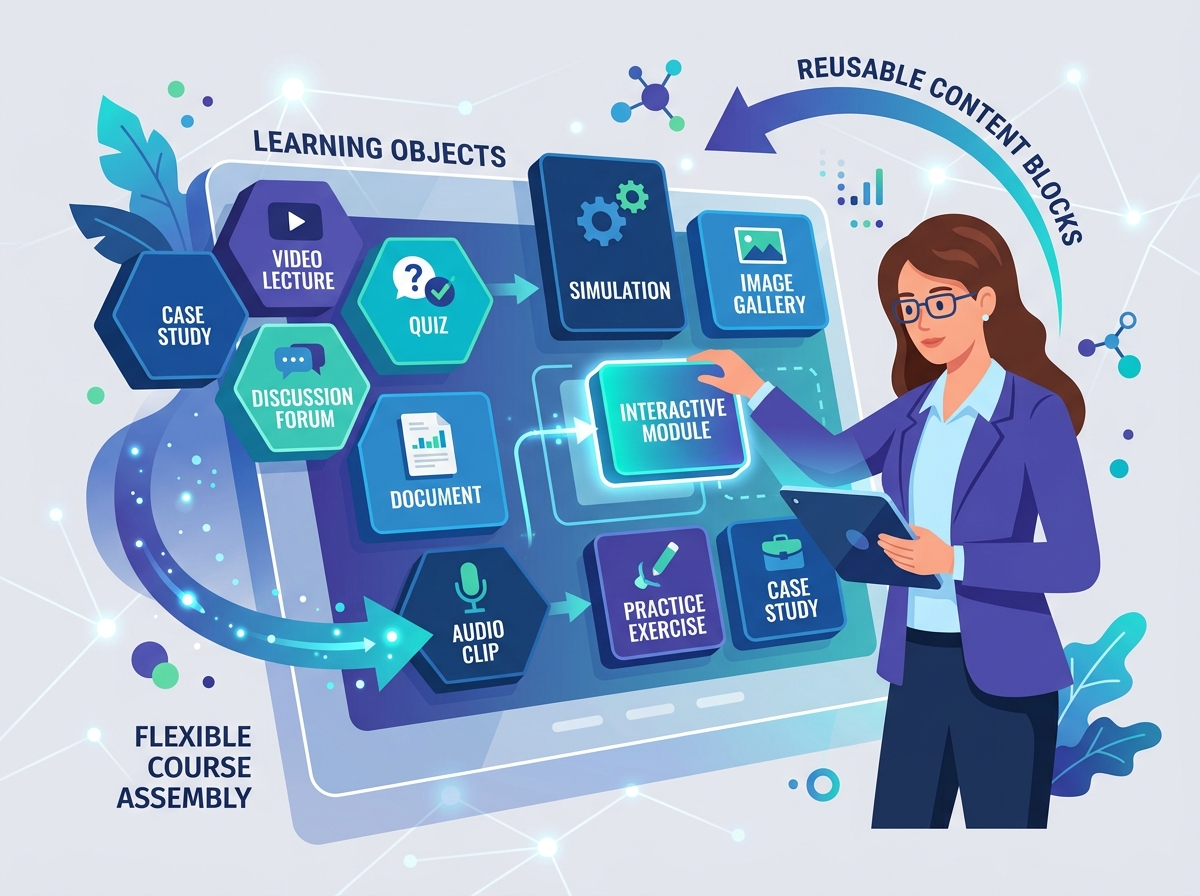
These specialized modular components allow for a truly seamless integration of advanced instructional design methodologies, fundamentally enhancing the cognitive flow and dramatically boosting overall user engagement metrics. By effectively encapsulating complex knowledge into easily digestible, self-contained units, educational institutions can deploy highly flexible learning pathways that accurately cater to diverse and geographically dispersed student demographics. This rigorous strategic architecture not only strictly preserves vital instructional equity across all delivery channels but also significantly accelerates the entire course development lifecycle, providing unprecedented agility to administrative staff and content creators alike.
Furthermore, learning objects intentionally function as highly dynamic entities within a much broader, interconnected semantic architecture. When experienced educators meticulously align these digital objects with standardized structural taxonomies, they simultaneously create a highly navigable and inherently accessible educational ecosystem. This foundational approach is absolutely critical for meeting and exceeding modern digital accessibility standards, definitively ensuring that critical informational assets are readily and reliably available across all conceivable digital touchpoints and user devices.
The Semantic Architecture of Digital Learning
The long-term successful implementation of digital learning objects relies heavily upon the robustness of their underlying semantic structure. Within the highly competitive context of modern online education, explicit semantic markup and comprehensive metadata unequivocally serve as the vital connective tissue that logically links disparate educational materials into a unified, cohesive whole.
Enhancing Discoverability with Advanced Metadata
By diligently tagging learning objects with exceptionally comprehensive metadata, modern educational providers explicitly ensure that their valuable digital resources are effortlessly discoverable by both human learners and automated indexing crawlers. This specific, targeted process closely mirrors the foundational principles of advanced technical SEO, wherein structured data schemas clearly communicate the exact context, hierarchical relevance, and underlying intent of digital content directly to complex search engine algorithms.
For instance, intelligently utilizing nested JSON-LD schema to explicitly define an educational resource accurately categorizes the specific object core subject matter, its designated authorial expertise, and its precise intended target audience. This necessary and rigorous categorization directly empowers sophisticated digital learning environments to autonomously and dynamically assemble fully personalized course modules based almost entirely on real-time, aggregated learner interaction data.
Integrating Contextual Synonyms and Entities
Moving beyond purely technical metadata constraints, the careful textual integration of highly relevant contextual synonyms—such as localized educational modules, specialized instructional units, and distinct digital curriculum components—substantially enriches the overall semantic density of the published course materials. This meticulous linguistic structuring definitively ensures that the curated learning objects strongly resonate with an exceptionally broad array of highly specific learner search intents and long-tail informational queries.
Such deliberate, intent-focused content expansion not only thoroughly satisfies the immediate informational needs of the end user but also firmly establishes the overarching educational platform as a definitively authoritative and highly trusted informational node within the expansive digital learning graph.
Future Trends in Educational Technology
Looking confidently ahead, the strategic integration of sophisticated learning objects will undoubtedly continue to prominently define the absolute frontier of modern educational technology. As artificial intelligence processing and complex machine learning algorithms inevitably become increasingly sophisticated and accessible, the technical ability to rapidly analyze and autonomously deploy highly specialized semantic learning units will quickly become a primary, non-negotiable competitive advantage for leading digital academies worldwide.
Proactive educators and forward-looking instructional designers must absolutely prioritize the consistent creation of exceptionally high-quality, fully interoperable learning objects that can fluidly and seamlessly adapt to rapidly emerging technological platforms. This highly proactive, forward-thinking approach will explicitly guarantee the long-term systemic sustainability and ongoing relevance of global online educational programs.
Moreover, a relentless, unwavering focus on the core principles of E-E-A-T (Experience, Expertise, Authoritativeness, and Trustworthiness) within the foundational design of these informational objects will remain absolutely paramount. Rigorously ensuring that all published content is meticulously authored and regularly verified by recognized subject matter experts, such as Rory McGreal, effectively builds the essential, foundational trust inherently required for truly effective, high-impact online instruction in a digital-first society.
Frequently Asked Questions
What are learning objects in the context of modern online education?
Learning objects are highly specialized digital resources that can be explicitly reused and repurposed to support targeted learning objectives. They specifically include interactive modules, rich digital media, and heavily structured informational assets that seamlessly combine to logically form a comprehensive, unified digital curriculum.
How do digital learning objects directly improve overall course design?
They significantly improve course design by explicitly enabling a highly modular, scalable approach, effectively allowing educators to seamlessly mix, match, and rapidly update specific curriculum components without the burdensome need to completely overhaul an entire, existing curriculum. This modularity drastically accelerates new course development.
Why is strict semantic structure incredibly important for learning objects?
Strict semantic structure, explicitly provided through comprehensive metadata and highly descriptive tagging, is absolutely crucial because it guarantees that learning objects are universally searchable, easily discoverable, and rapidly integratable within a wide variety of disparate digital learning environments and management systems.